A place where Iraqi men have been brutally questioned and killed by a terror group ISIS.
A place where Farkhunda Malikzada was publicly beaten and slain by a mob claiming that she had burned the Quran.
A place where an ISIS fighter was shot dead by an Iraqi soldier.
A place where a police shot and killed murder suspect Jose Pietri.
A place where a police shot and killed Delorean Pikyavit after a report of domestic violence.
A place where sixty people died in an exchange between Israel and Palestinian envoys.
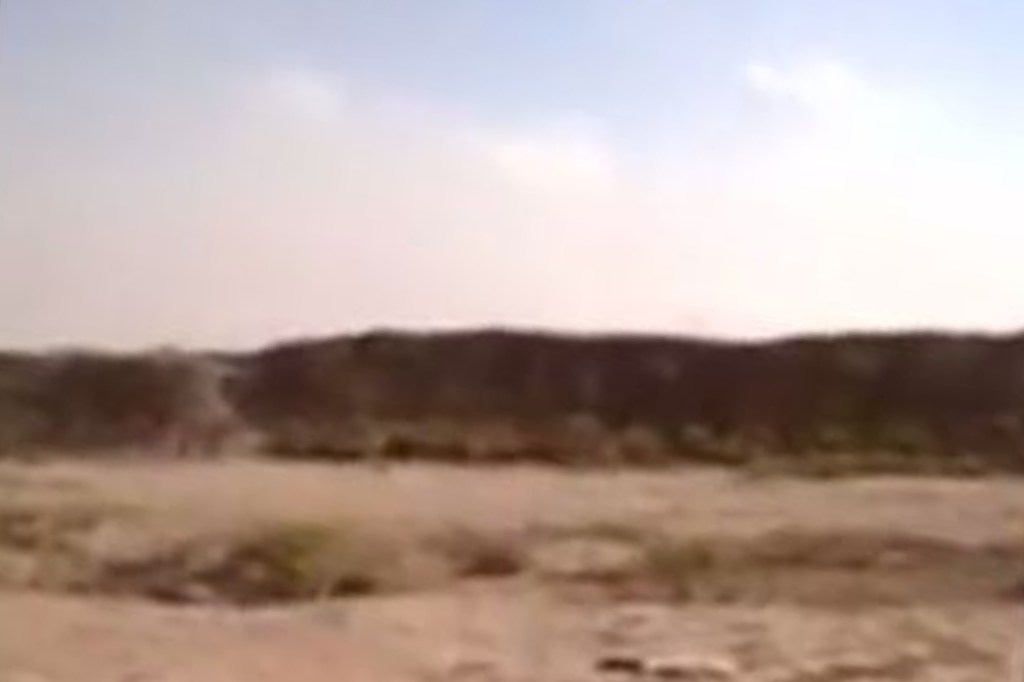
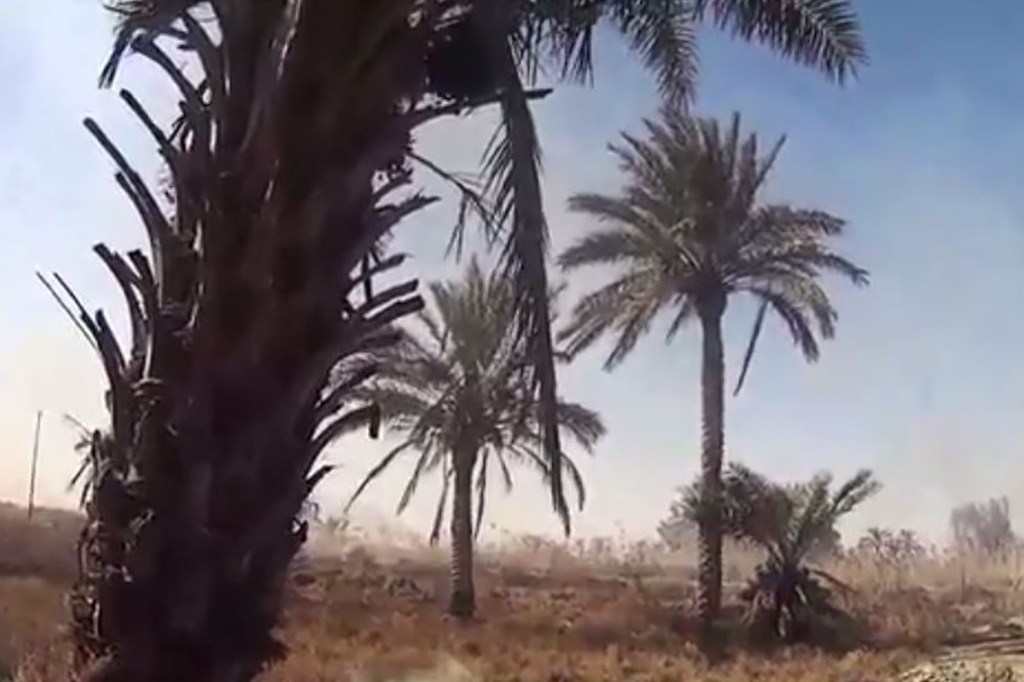
Landscapes is a work consisted of six photographs showing themes of
landscapes that are extracted from the videos that can be found on the
internet. Beside photos there are also brief descriptions of the events which happened in those videos and QR codes that lead to videos used for this work. Videos show murders and they are filmed by some participant (the killer, the victim…) of that event. The viewer can reach to these videos in the second step, by scanning the QR codes.

This work is a result of a research in which I questioned the availability and frequency of videos that filmed death as a result of a human act. From chosen videos I extracted background scenes that show nature. By looking at landscapes, the recipient has a feeling of
security – photos have decorative character and they show the landscapes through positive motives that surround us all the time and that are common in the art history. These motives are often connected to something that is beautiful and pleasant to watch. From this secure position, the viewer gets kicked out only after reading the descriptions which change the meaning of these photos from everyday places to crime scenes. The viewer is faces with the situation in which his affective relationship towards the scene is necessarily changed. He is lead to react based on his own attitudes, moral
beliefs and sensibility for the suffering of others, resulting with a feeling of pity, sadness or, even, indifference.



 Tijana Petrović